
June 6, 2025
SPP seeks FERC approval to include MISO’s 2023 DPP cycle in joint targeted interconnection queue process
The change aims to streamline interconnection procedures and reduce delays for new generation projects along the MISO-SPP seam.


The change aims to streamline interconnection procedures and reduce delays for new generation projects along the MISO-SPP seam.

The new process aims to address backlog of connection requests by considering planned generation resources.

PJM must revise its interconnection agreements to explicitly assign land acquisition duties for network upgrades to transmission owners, not customers.

The joint venture helps streamline the interconnection process, optimizing resource utilization for the developers which face long PJM project queues.

The FERC approval comes amidst a broader inquiry by the agency into PJM’s handling of co-located loads and their impact on the transmission system.
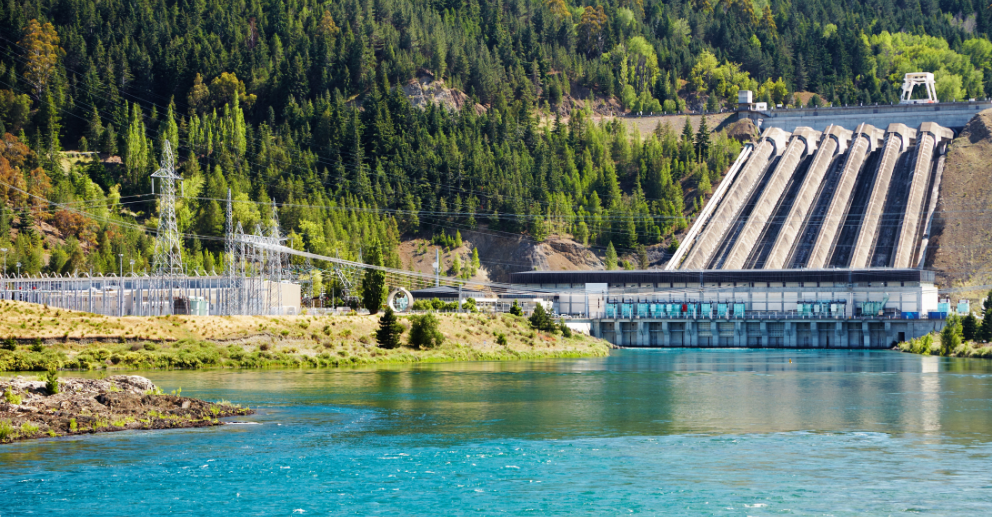
The termination follows a three-year suspension and a failure by Cat Creek to provide the required construction deposit.
One area where many stakeholders find agreement on co-location policies – the need for clearer rules from PJM.
LSP Digital’s proposal to shift Doswell Generating Station’s capacity to a behind-the-meter data center faces opposition from the PJM Independent Market Monitor.

The decision reinforces FERC’s focus on standardized interconnection processes and the high hurdle for non-conforming agreements.

The approval for interconnecting to the grid advances the first return of a nuclear plant to active service in the U.S., setting a key precedent for similar projects.
The company alleges PJM rules discriminate against generators serving fully isolated co-located loads.

Talen argues ‘flawed’ analysis jeopardizes U.S. energy security.

The GOP representative said that co-located energy production at data centers does not have to come at the expense of grid reliability.